Husbandry
Handling & Temperament
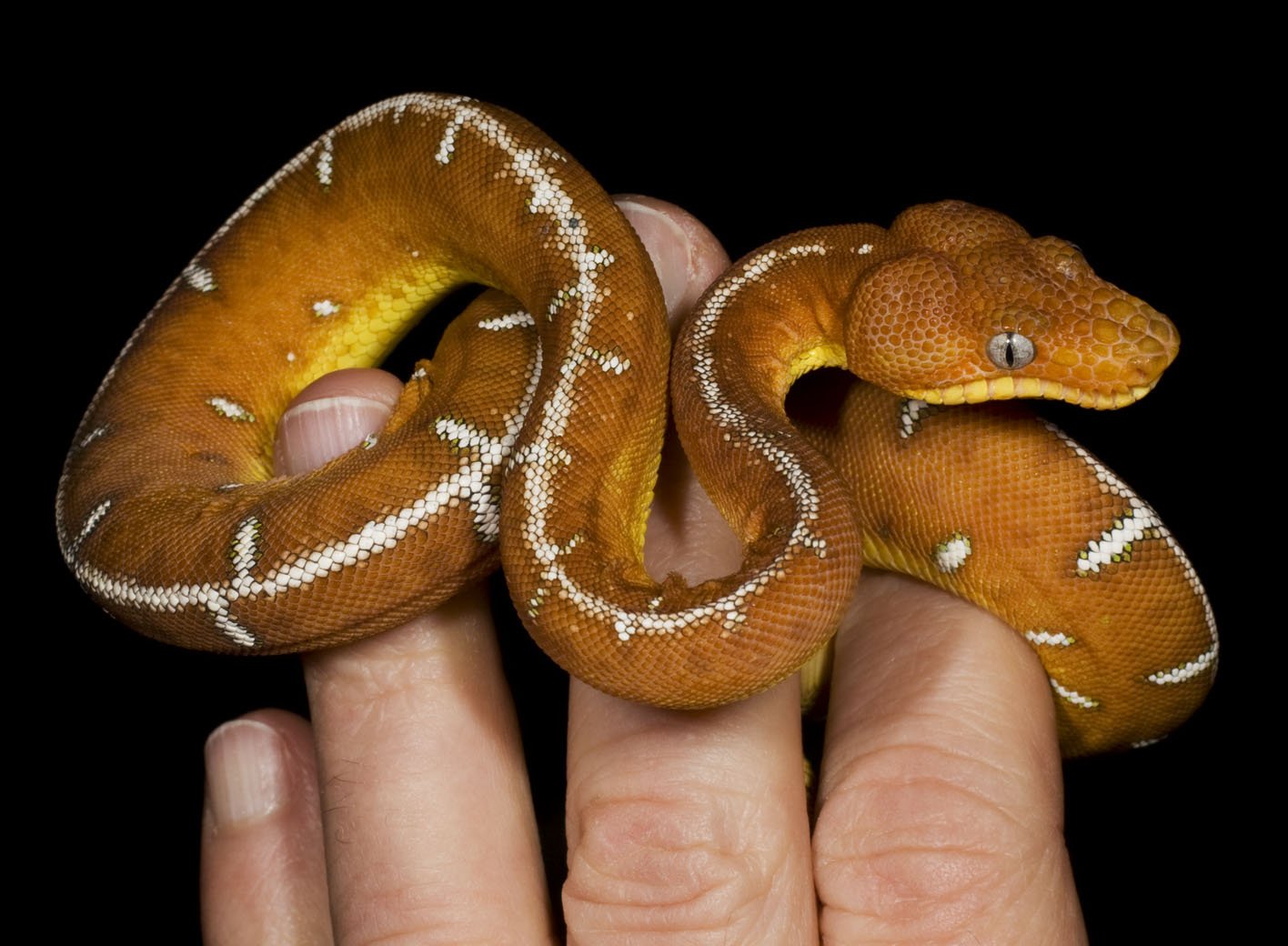
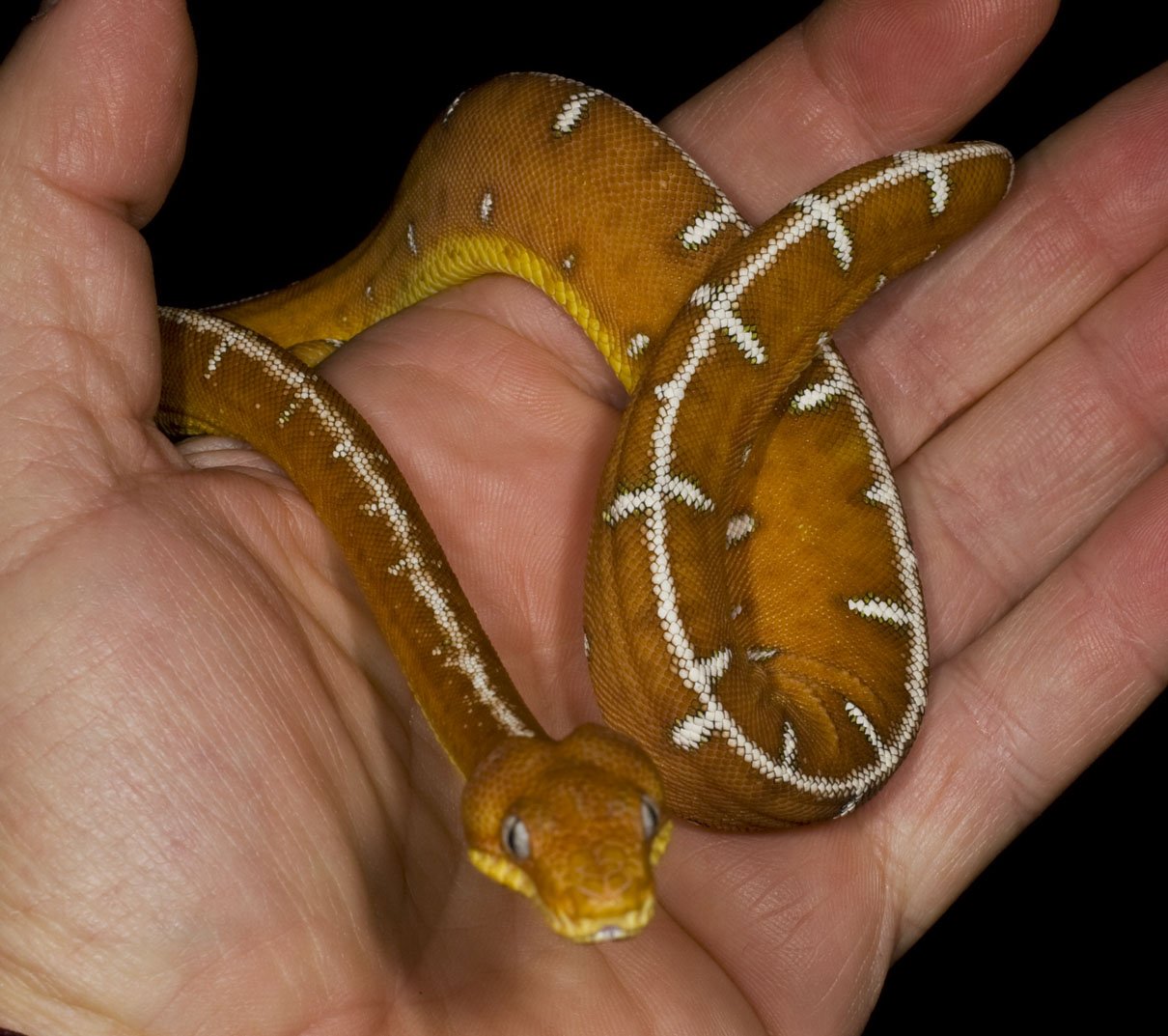
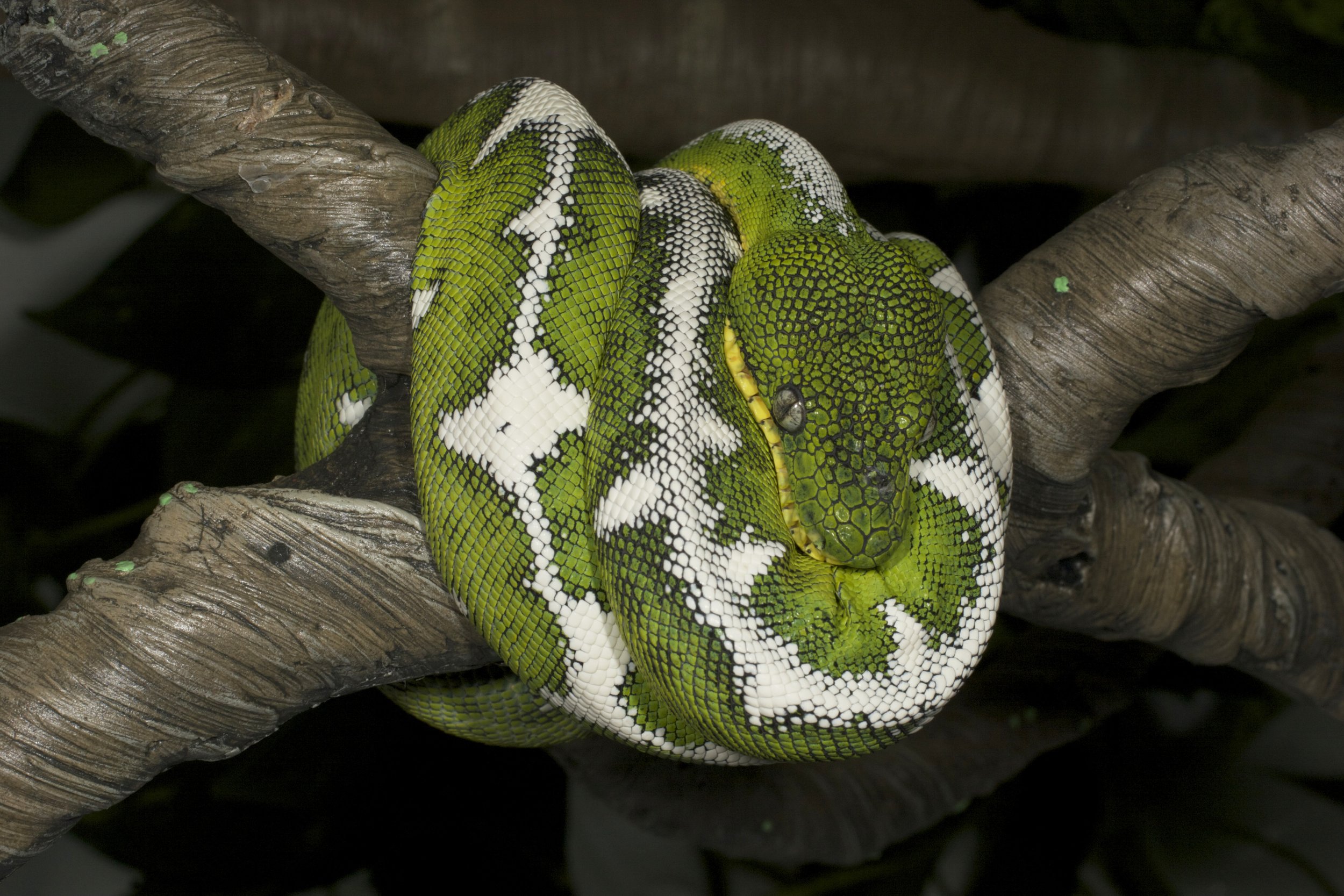
Most collectors believe that the less you handle your Basins, the better. These are not the type of snakes that can be passed around at a social gathering which may be appropriate for a Common boa or Ball python. Having said that, we sometimes handle our animals when transferring them from their cages to the Rain Chamber for exercise and elimination.
-
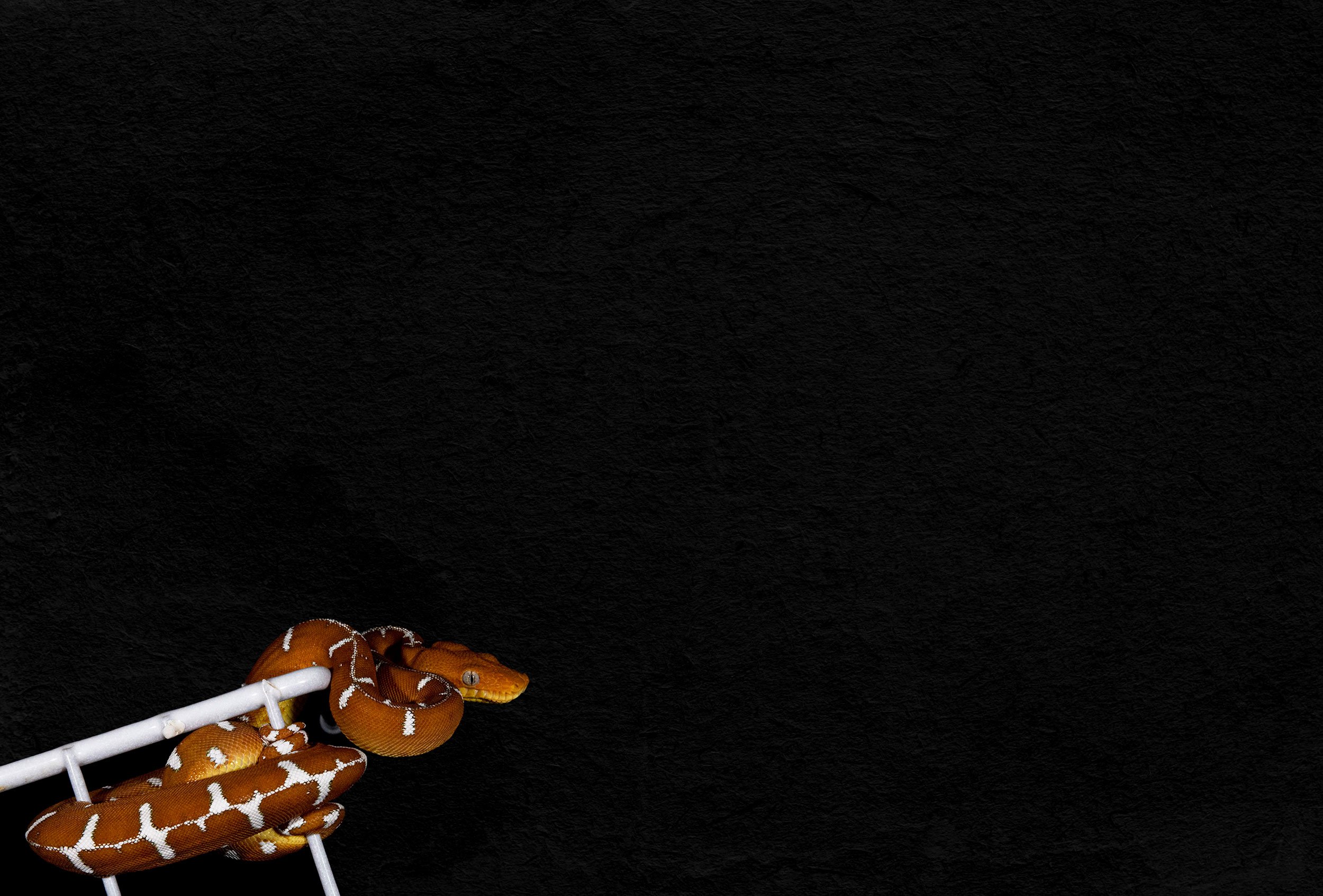
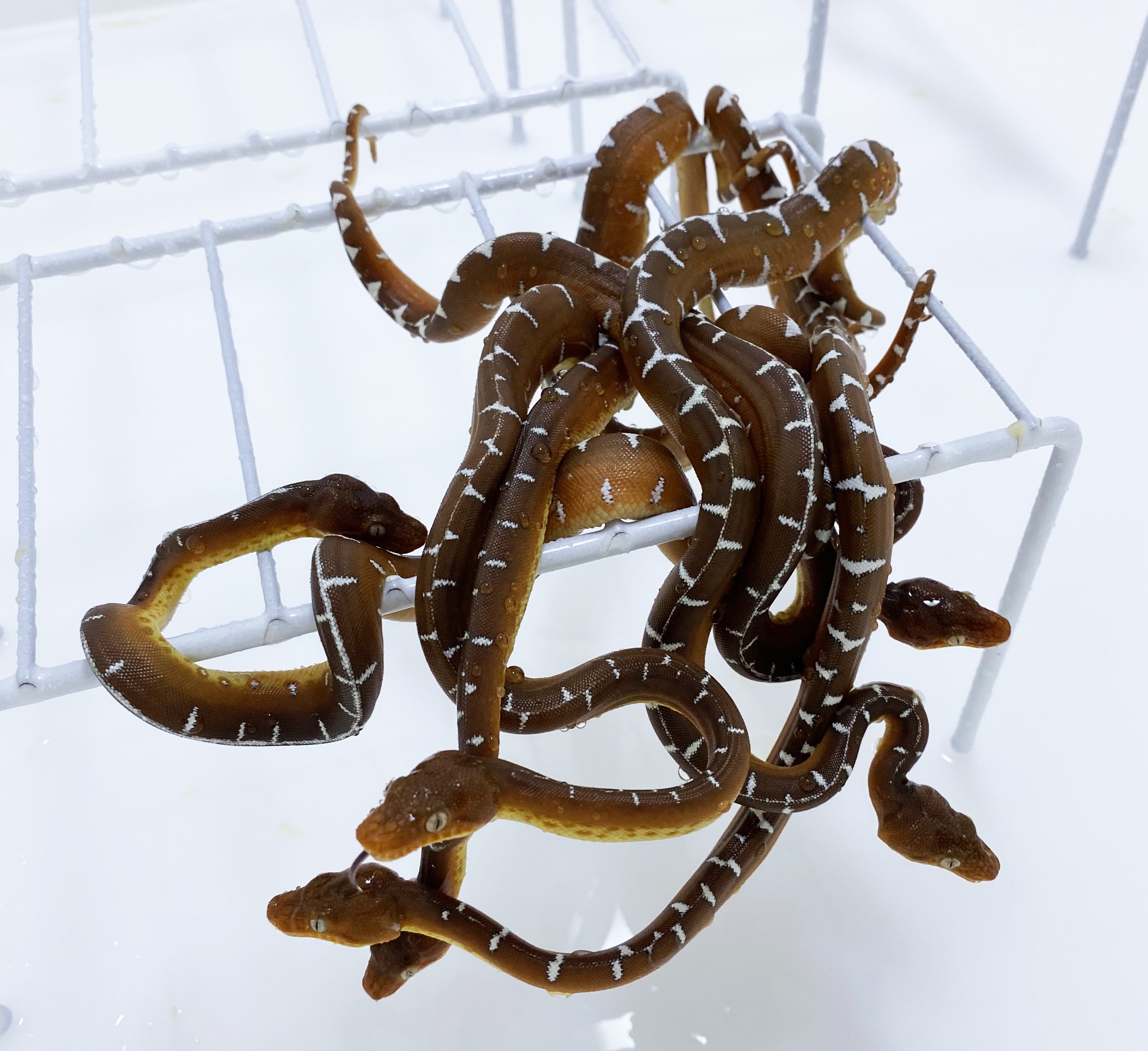
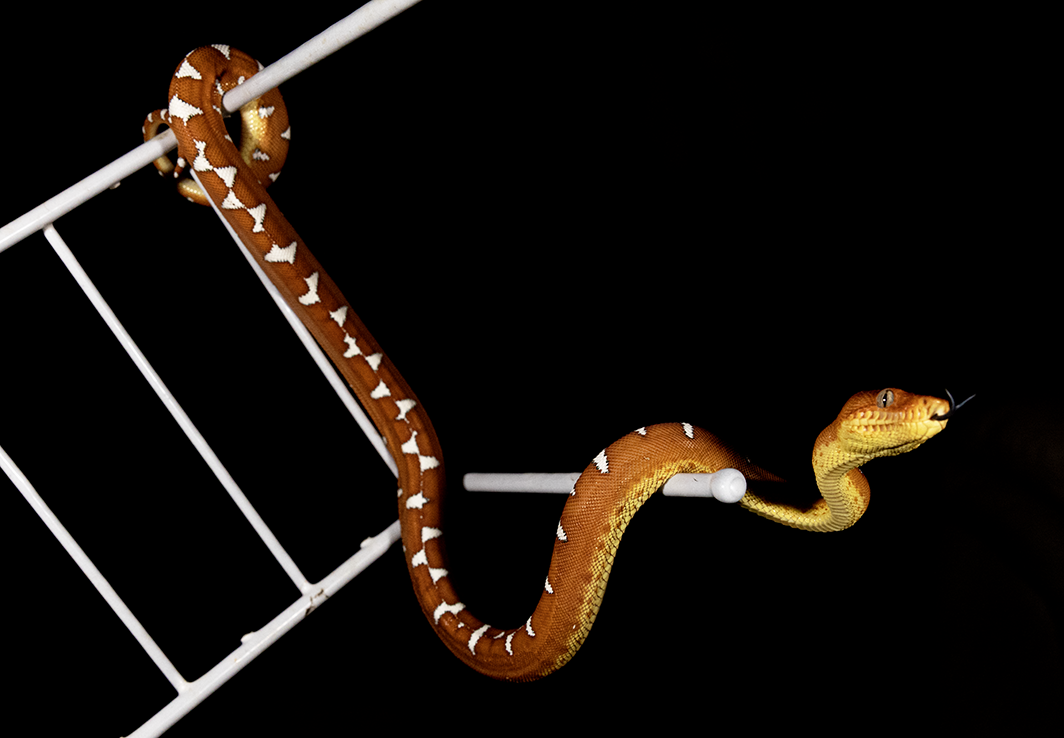
Frequently we will use our removable perch system in moving an animal and gently coaxing the Basin off the perch into the target cage or snake bag. It is essential that you do not force an animal off of a perch, especially a neonate. Rough handling can result in kinked or deformed tails as the animal matures.
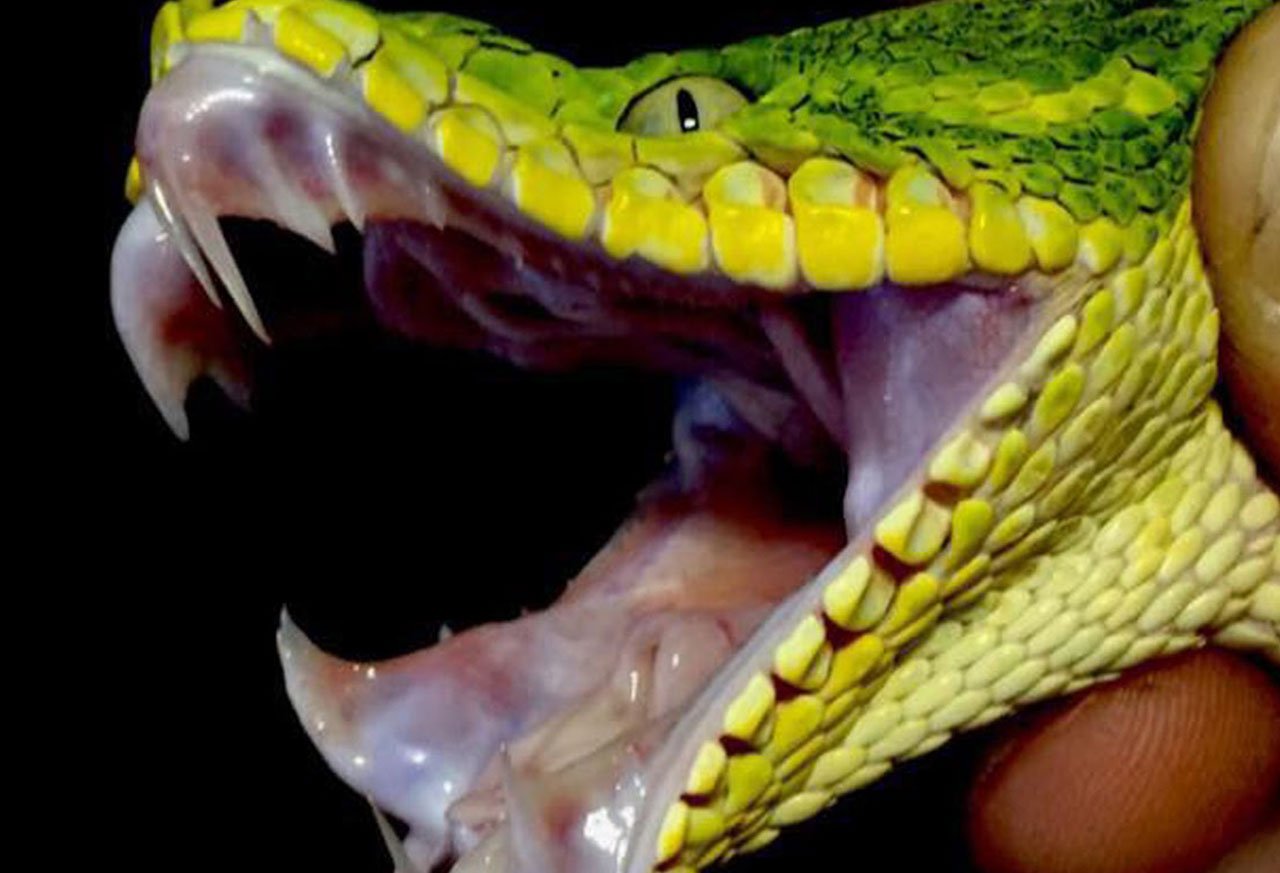
In general the Basin is a gentle creature with an inquisitive and calm personality, at least during the daylight hours. During the night when the lights go out, Basins become aggressive feeders and will strike at most anything that is warm or moves. The collector should take advantage of this natural inclination and handle the animals, when necessary, during the day and feed at night.
Temperature
Depending on the time of the year, our adult daytime highs range from 84 degrees F to 88 degrees F. Nighttime lows range from 72 degrees F to 76 degrees F. We maintain a 12 degree drop from daytime highs to nighttime lows. Basking temperatures under the heat panel can be as high as 93 degrees F. The temperature differential between the side of the cage under the heat panel to the cool side of the cage is approximately 12 degrees F.
Humidity
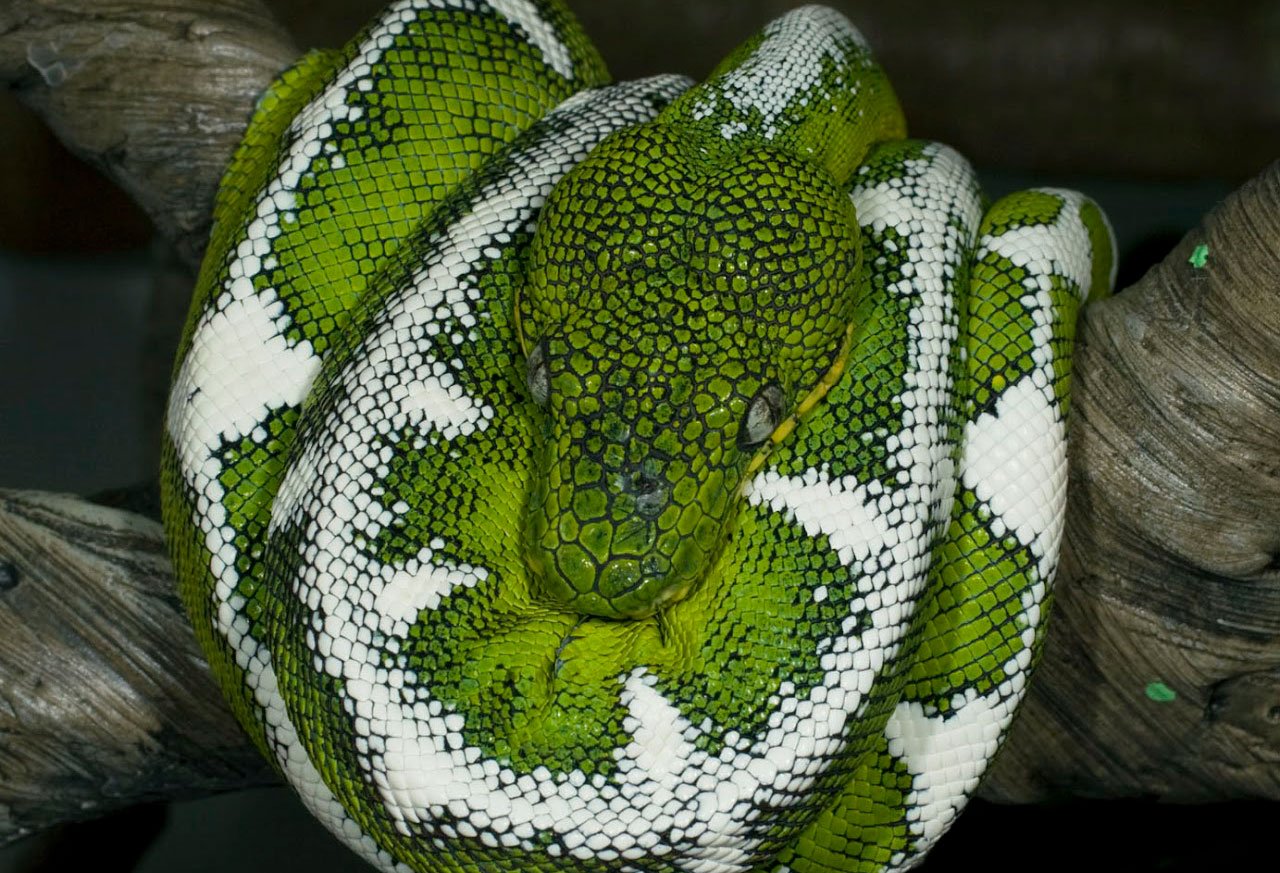
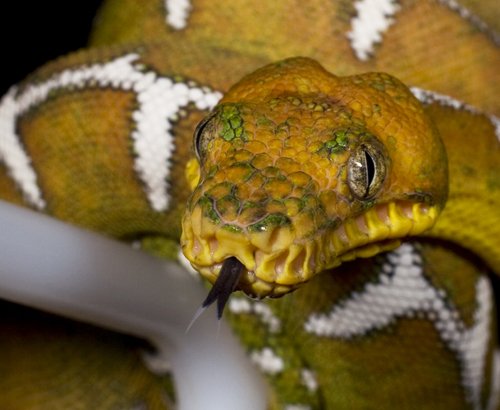
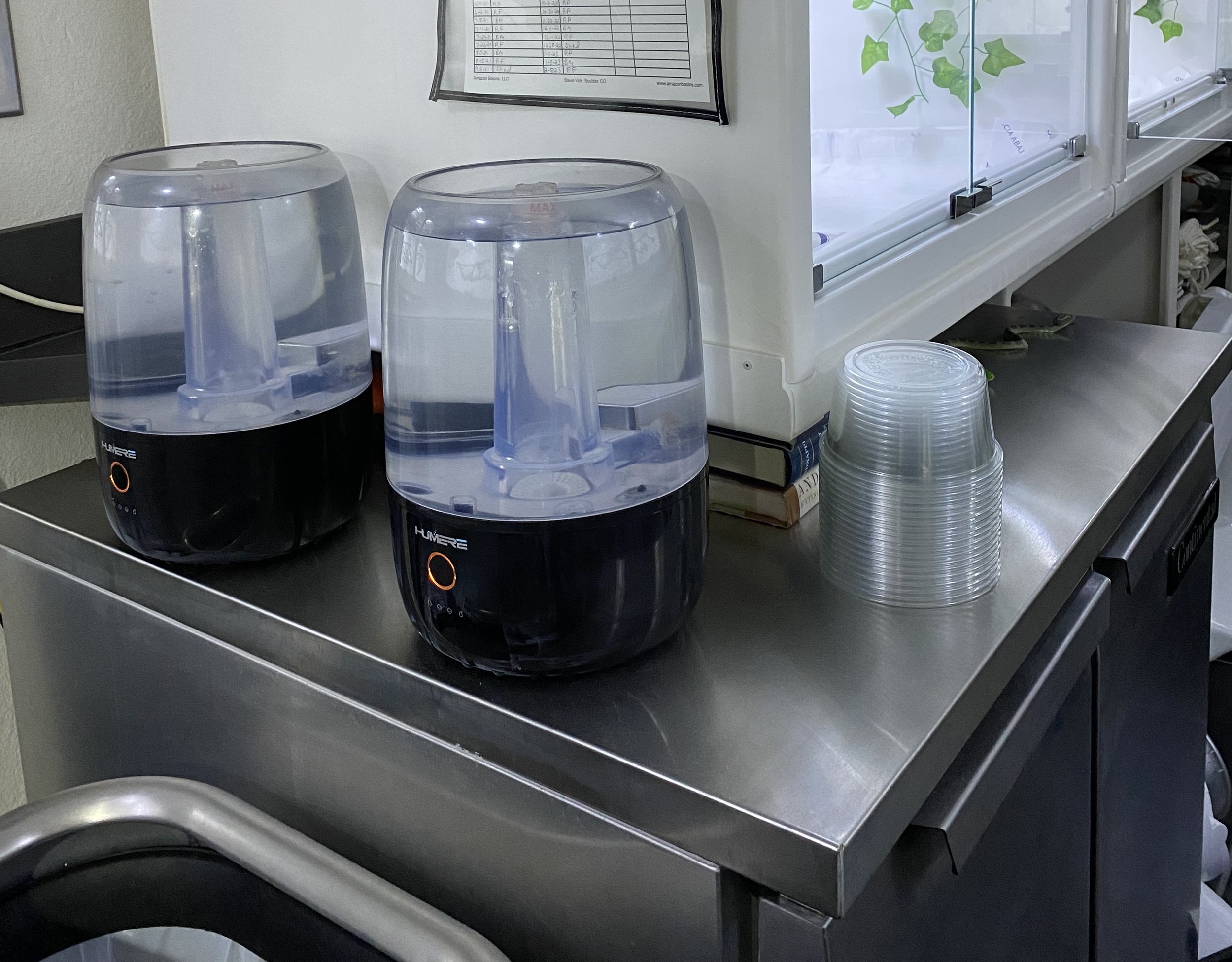
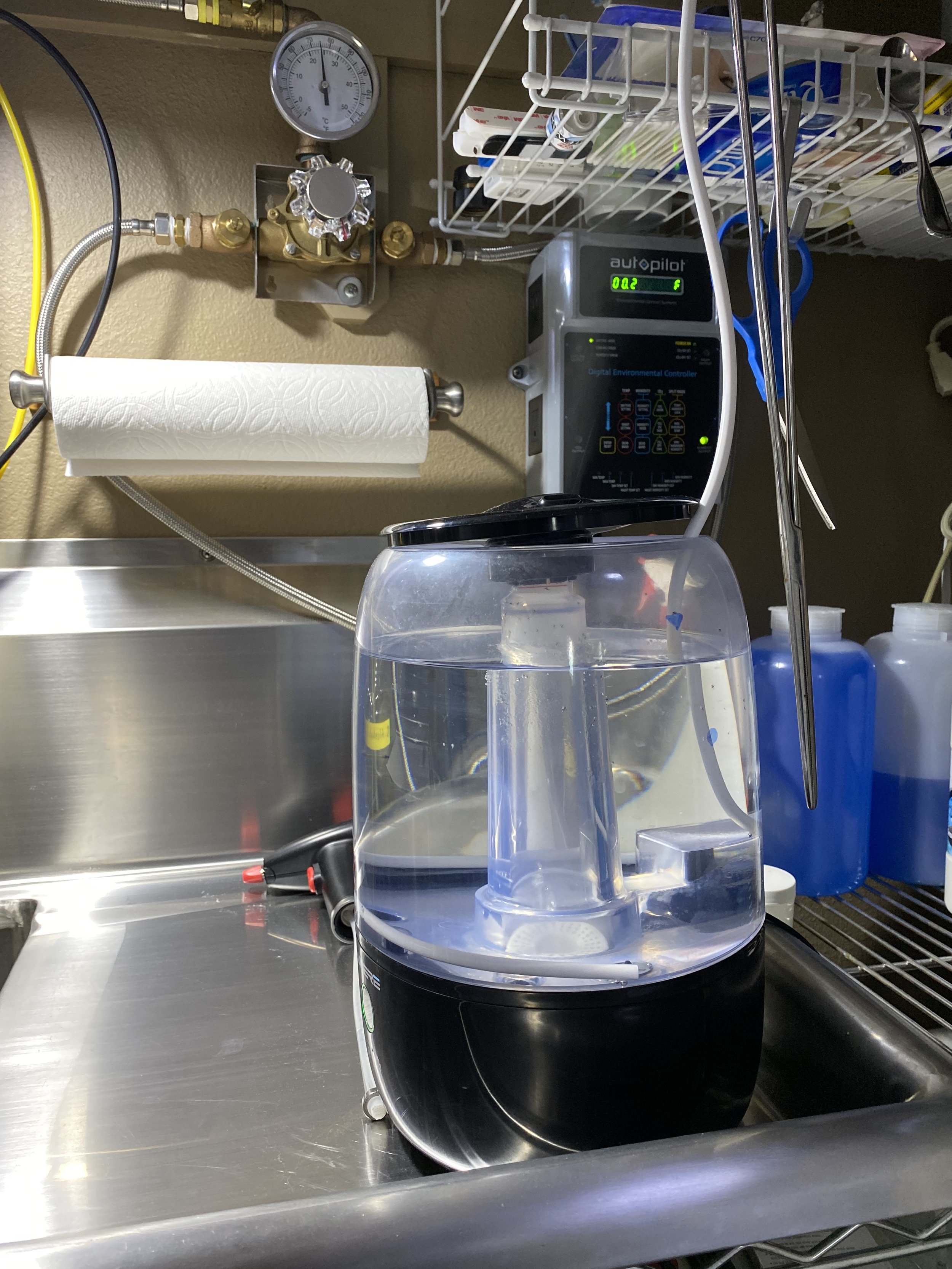
For adult and juvenile Basins, our automated substrate misting system achieves a daytime high in the 70% to 80% humidity allowing the cage to dry out overnight to a low of 60%. The automated 1 minute substrate misting cycle 3 for 4 times a week in addition to ultrasonic room humidifiers creates humidity stability. We believe it is essential that Basins do not experience extreme fluctuations in humidity, that is, that their environment is not allowed to repeatedly "dry out" and then become humid. This seems to be a recipe for creating respiratory problems. Depending on manual misting to maintain humidity for your Basins is a bad idea in view of the distractions everyday life presents.
Light Cycle
For neonates and juveniles, we maintain a 12 hour on and 12 hour off light cycle throughout the year. For our breeding adults, our light cycle is controlled by a photoelectric cell which monitors our natural outdoor light cycle here in Colorado. Red lights are used at night for feeding and observation.
Perch Size
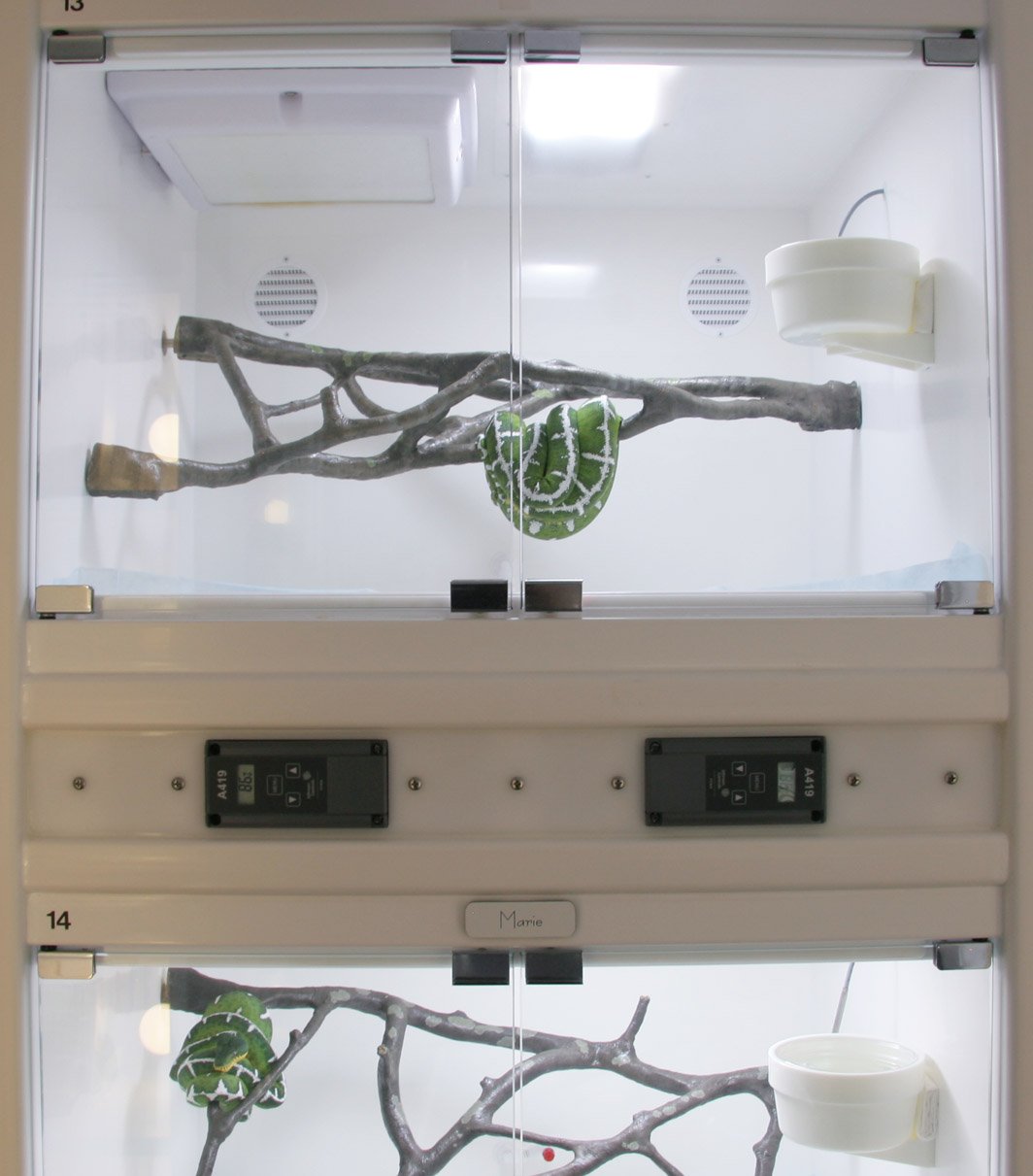
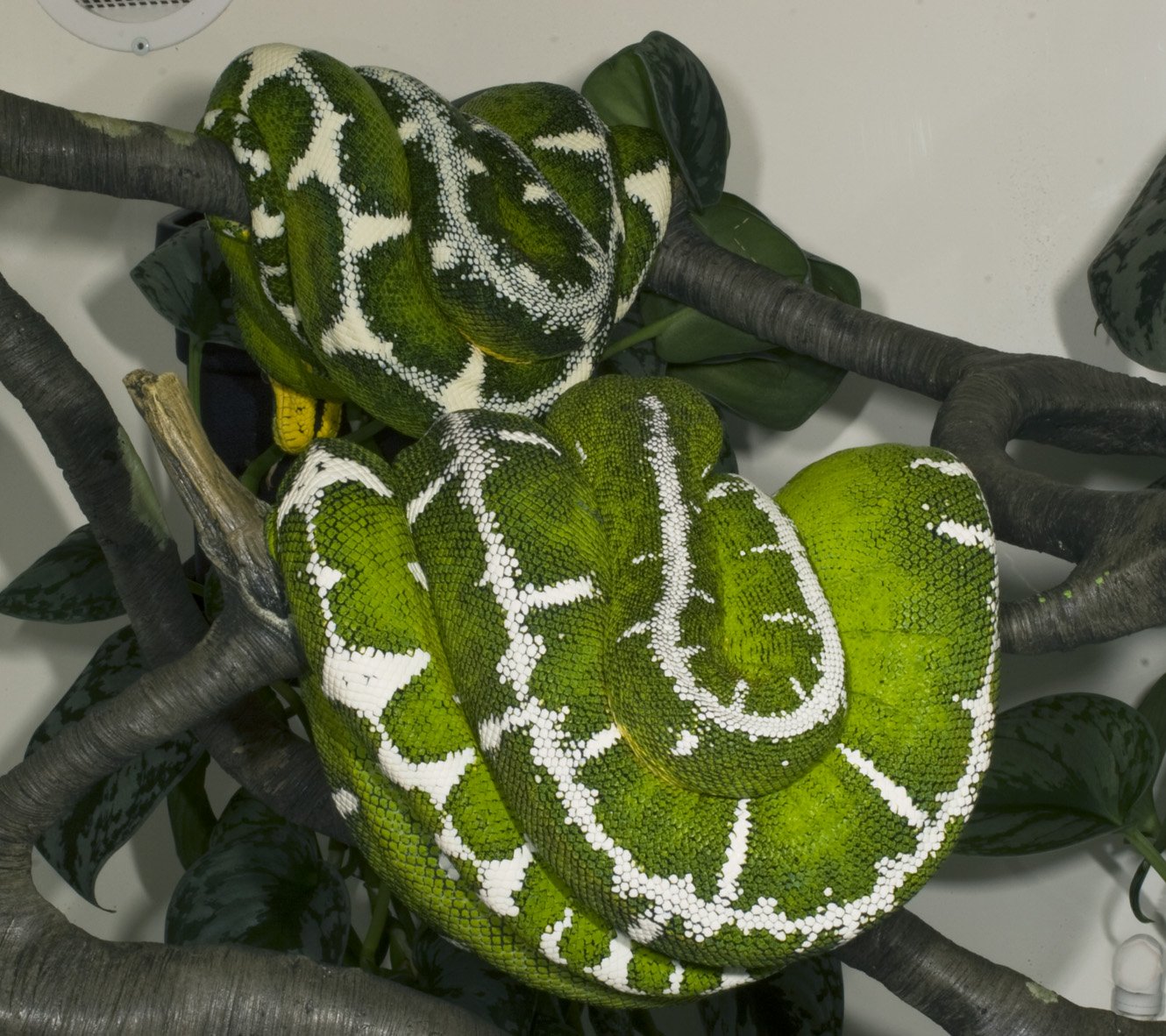
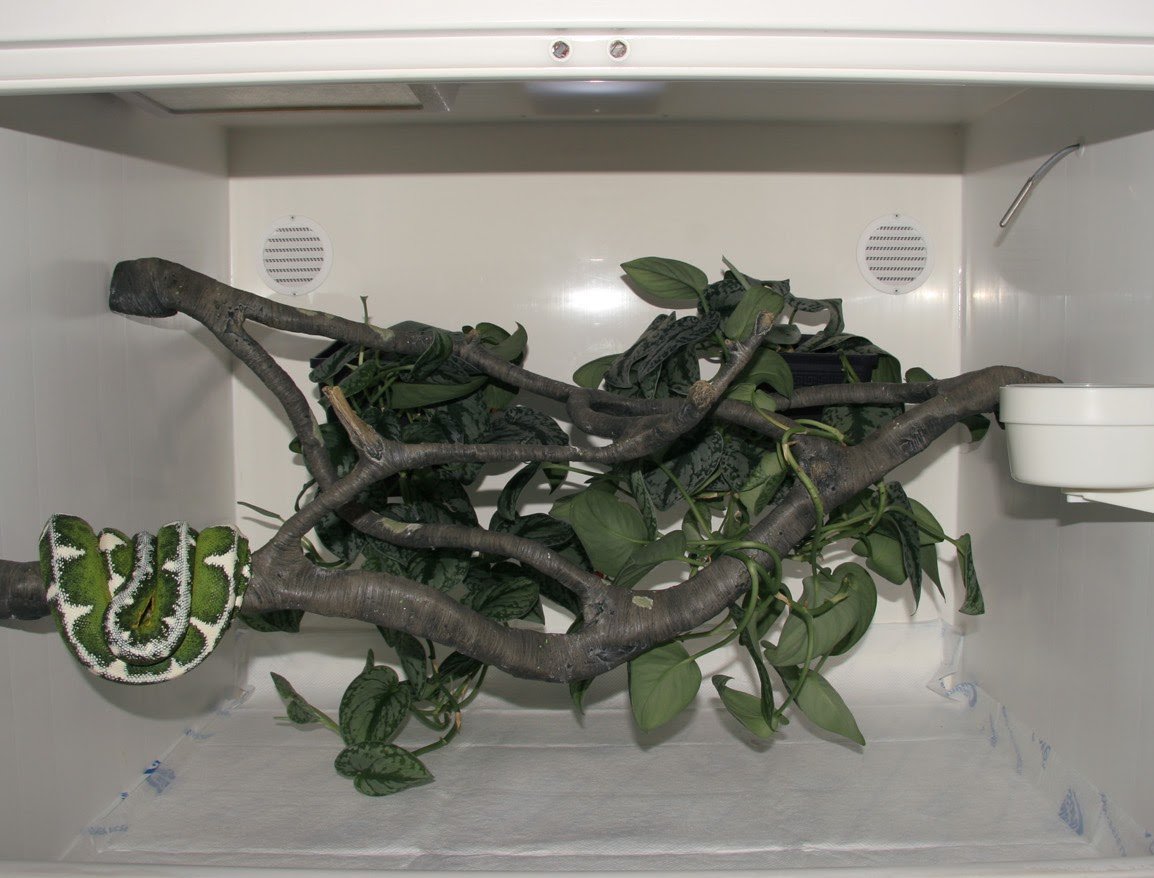
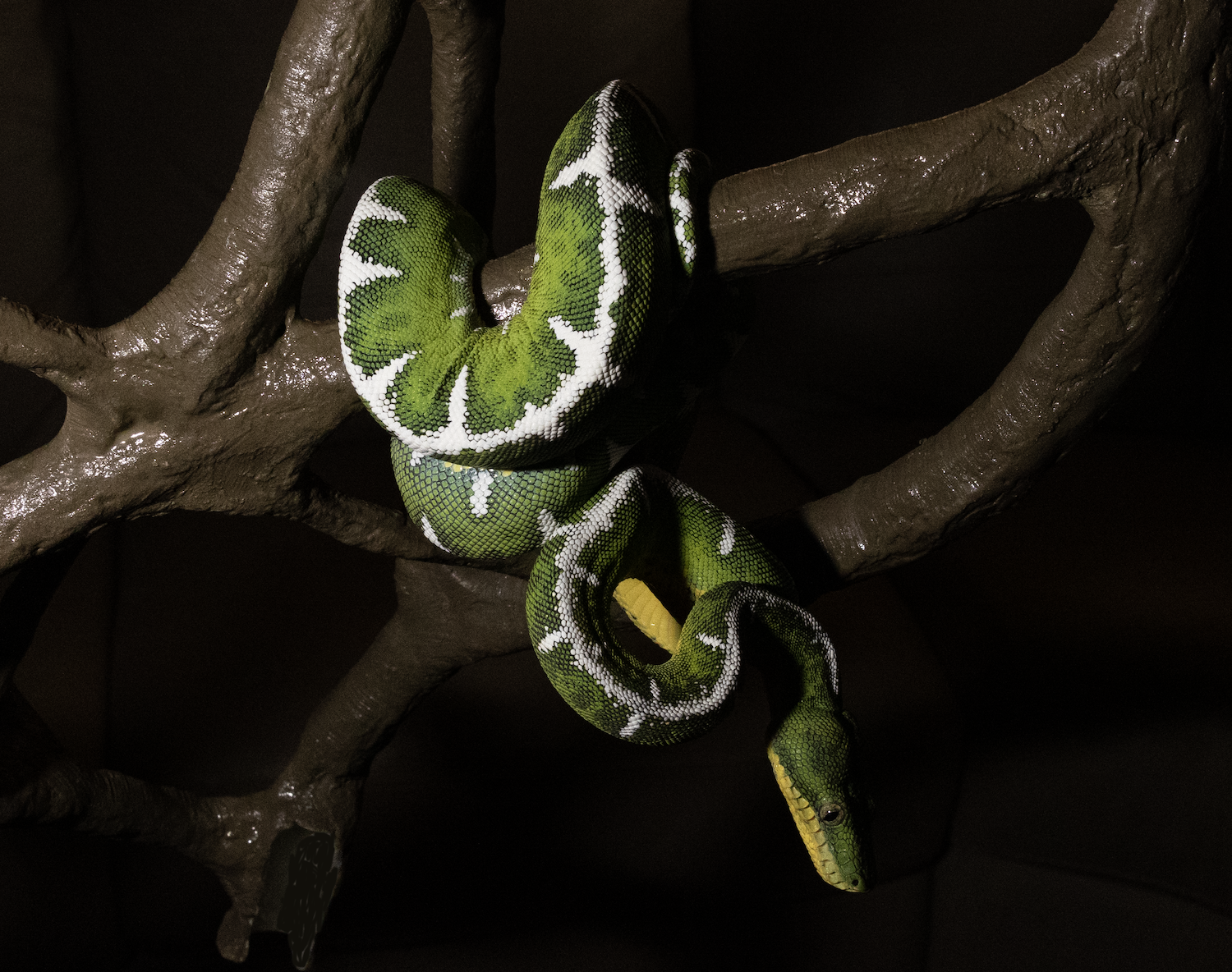
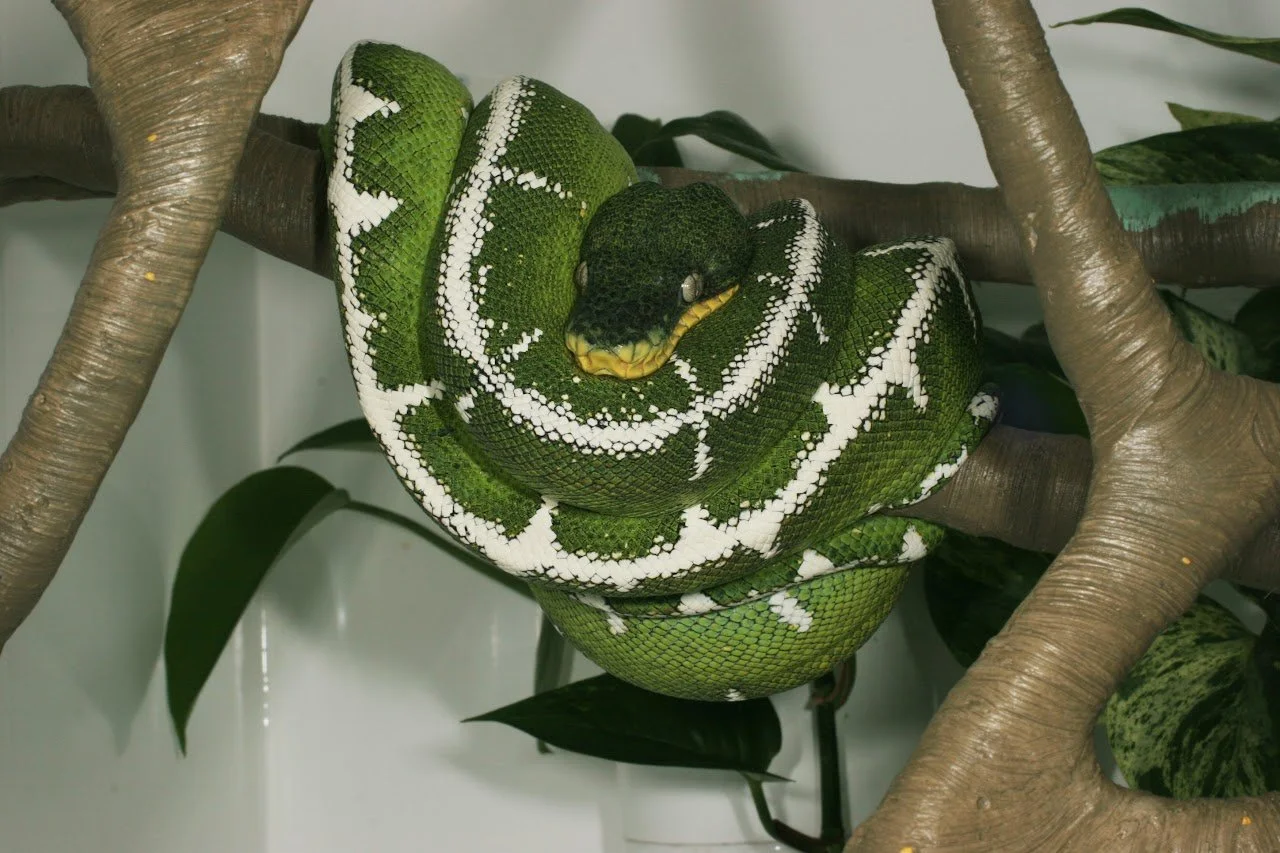
We try to maintain a perch size with a maximum diameter equal to 1/2 or less than that of the body of the Basin. Each adult enclosure incorporates epoxy resin sculptured perches fabricated by InsertsWork with varying diameters.
Feeding
Regulating the food intake of your animals is perhaps one of the most critical aspects of successfully maintaining Basins in captivity. Records must be maintained on each animal to avoid overfeeding and potential regurgitation.
-
In general we use the following guidelines:
Always feed at night.
Feed frozen/thawed mice or rats from a reliable source. Never feed live animals. Never re-freeze a thawed animal.
Never feed more than one food item to a Basin during a feeding.
Feed neonates every 10 to 14 days, juveniles every 14 to 21 days and adults every once a month.
Do not feed a Basin more than 3 meals between bowel movements.
Reproduction
Female Basins breed once every two years upon reaching sexual maturity at four years of age. We breed females that are in good health and at least four years of age with a body weight of at least 1,500 grams.
-
Nighttime temperatures in the November timeframe for both female and males are decreased from a high of 76 degrees to a low of 72 degrees in order to stimulate spermatogenesis, courting, copulation and ovulation. Our daytime highs also decrease from a high of 88 to 84 degrees through the mating process. It is important to maintain a basking spot so that your Basins have the opportunity to warm up during the day to help maintain their immune system.
Males can mature at three years of age and are periodically introduced to females for a week at a time from January through March to insure that copulation has occurred.
Ovulation occurs in the female in the February/June timeframe. Birth occurs approximately 150 days from the time of the female's post-ovulation shed. Typically the female will have between 8 and 15 live young. We use ultrasound to track follicular size and in utero embryo status.
General Practices
Quality Amazon Basins are expensive animals. As such, should you invest in one (or several) we have a few general practices that we recommend to keepers of these extraordinary creatures:
-
Maintain a closed system - Purchase captive born animals and never bring wild caught animals into your collection.
Avoid frequent handling of your animals - try to create a consistent environment with minimal disturbances.
Maintain detailed records on each animal.
Never house more than one Basin in a cage except during mating.
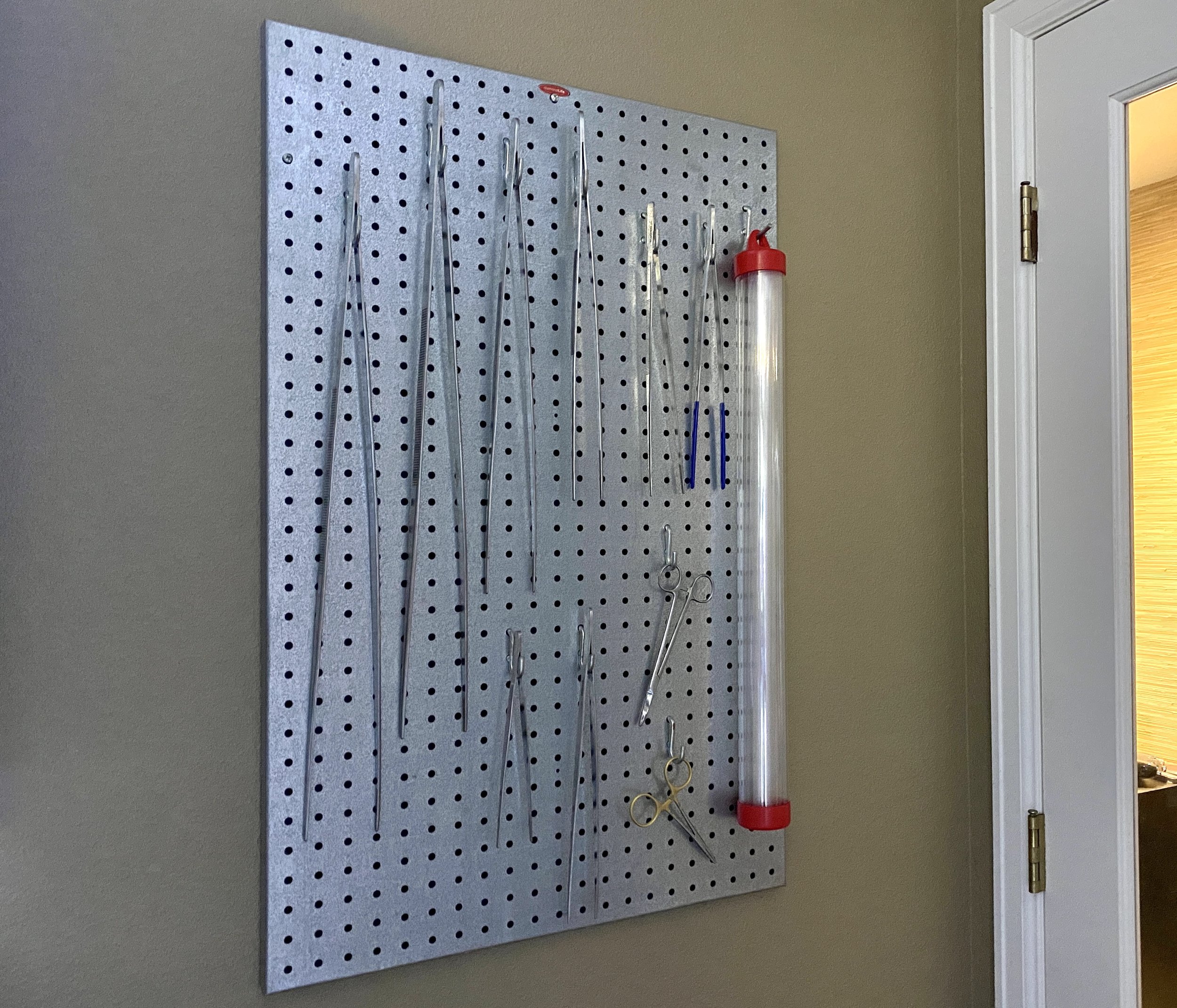
Always use a competent antibacterial and antiviral disinfectant on cages, water bowls, feeding tongs, etc.
Always quarantine new animals obtained from other collections even if the animals are captive born - depending on the circumstances, a three to six month quarantine period may be appropriate.
Accept the fact that these are slow growing and maturing animals and use restraint and moderation in your feeding regiment.
Record Keeping
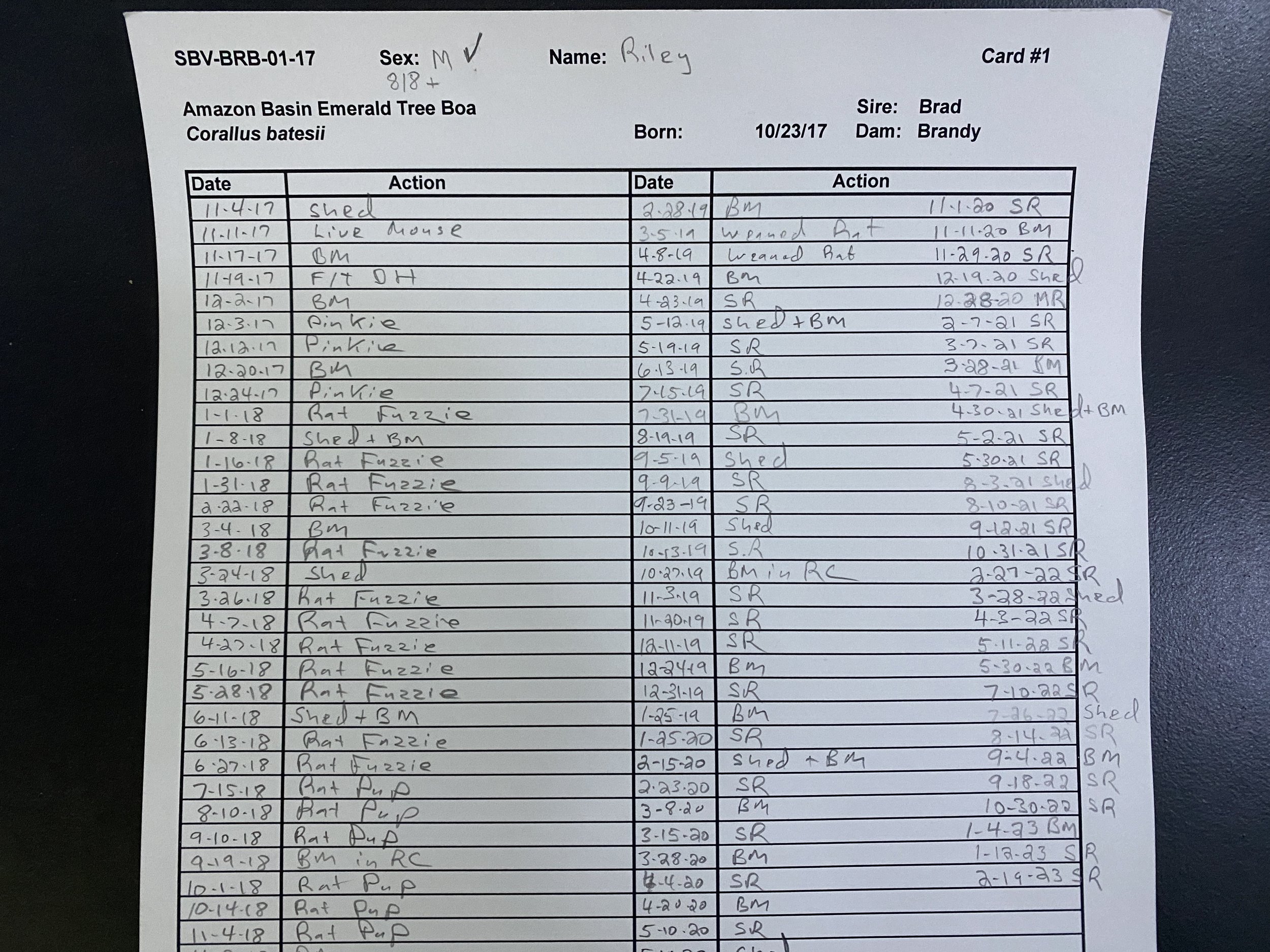
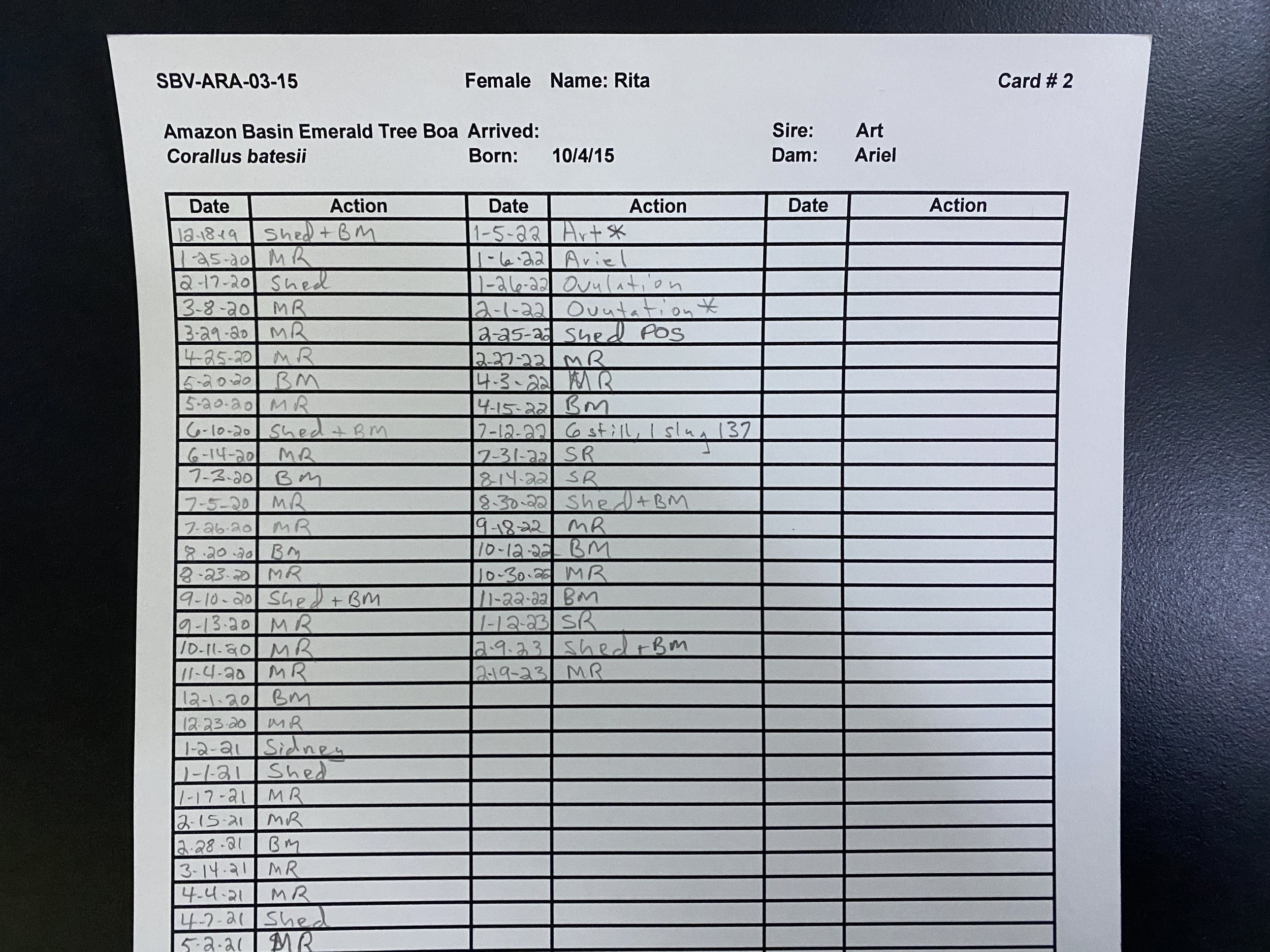
If you are serious about keeping Amazon Basin Emerald Tree Boas, then record keeping, that is recording every meal, every BM, shed, mating, etc. is essential.
Like many collectors, we keep an individual data sheet on each animal that follows them from "cradle to grave".
Failure to maintain a log on each individual animal can result in catastrophic double feedings or other incidents. It is just too difficult, even with one animal, to remember critical data.